
How a tan actually happens
Tanning beds use ultraviolet light, the same kind of light the sun gives off. When UV hits your skin, your skin responds by making more pigment, and that darker shade is your tan. The Skin Cancer Foundation puts it plainly: a tan is your skin reacting to UV exposure, which is why we take every session seriously.
UVA is the main type of light in most tanning beds and is linked to quicker color. UVB plays a bigger role in sunburn and also creates a slower, delayed tan. Both add up over time, so the goal is a gradual glow, never a fast one.
Know your skin type
Skin type runs from Type 1 (very light, burns easily) to Type 6 (very dark), based on the Fitzpatrick scale. On your first visit, your Sun Spot tanning consultant figures out your skin type so your session time fits you. That is not just us being extra; Ohio rules require a skin type check on your first visit.
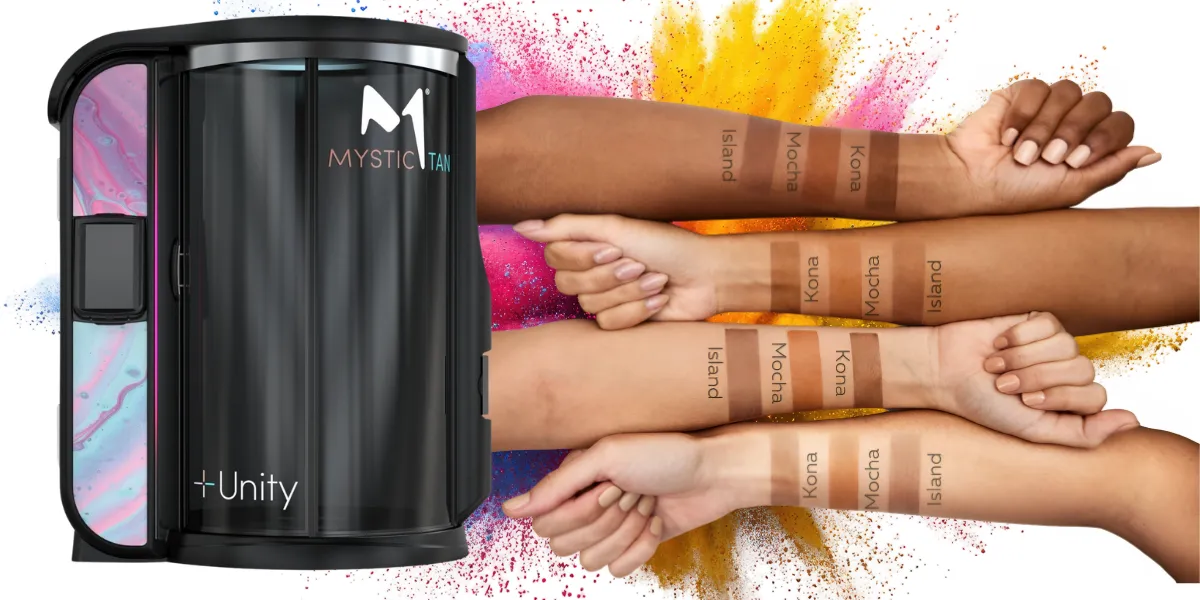
If your skin burns and never tans in the sun, the FDA notes it probably will not tan in a bed either. In that case, spray tan is your best friend.
Pro tip: Be honest on the skin type questions. Nobody wins a prize for picking the longest time.
Your first visit, step by step
- Bring a photo ID. Everyone signs a consent form before using a UV bed.
- Your consultant checks your skin type and picks a starting time that is short on purpose.
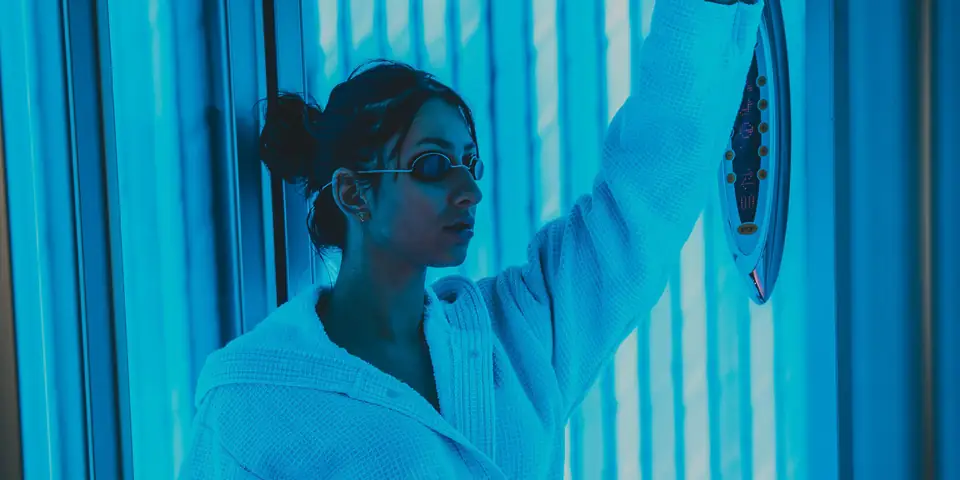
- Grab FDA style protective eyewear. Every session, every bed, no exceptions.
- Lotion up with an indoor tanning lotion (not outdoor oil).
- Tan, hydrate, and give your skin at least a full day before the next session.
Levels 1 to 6 in plain words
Higher levels mean stronger, newer or more advanced beds, so you usually need fewer minutes. Here is the lineup using our real beds:
- Level 1: the classic starter bed. Low key and perfect for building a base.
- Level 2: our stand up booth at Chillicothe. No lying down, no pressure points, just you and the glow.
- Level 3: the KBL A6 at Portsmouth, Wheelersburg, and Jackson, and the KBL 5600 Alpha at Waverly (A/C and facial lamps).
- Level 4: the KBL 6800 at Wheelersburg, also with A/C and facial lamps for an even face glow.
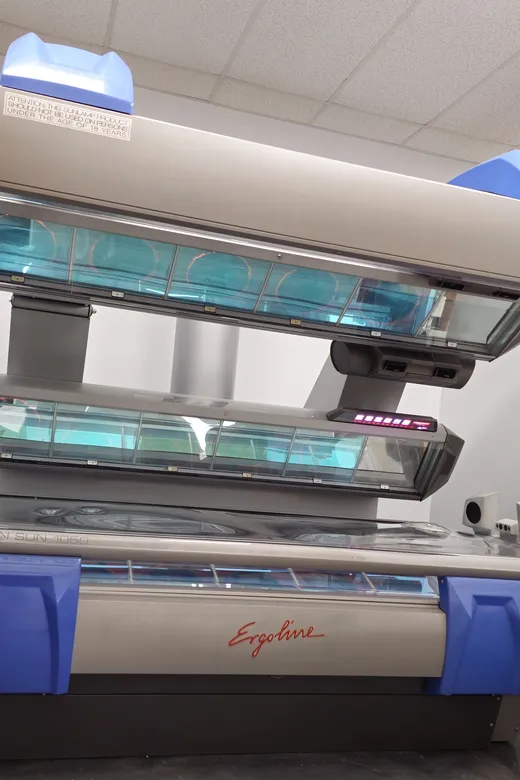
- Level 5: high pressure beds, like the KBL P9S at Portsmouth, the Mastersun 360 at Wheelersburg and Jackson, and the Ergoline Open Sun 1050 at Chillicothe, which has 30 high pressure lamps and an open canopy.
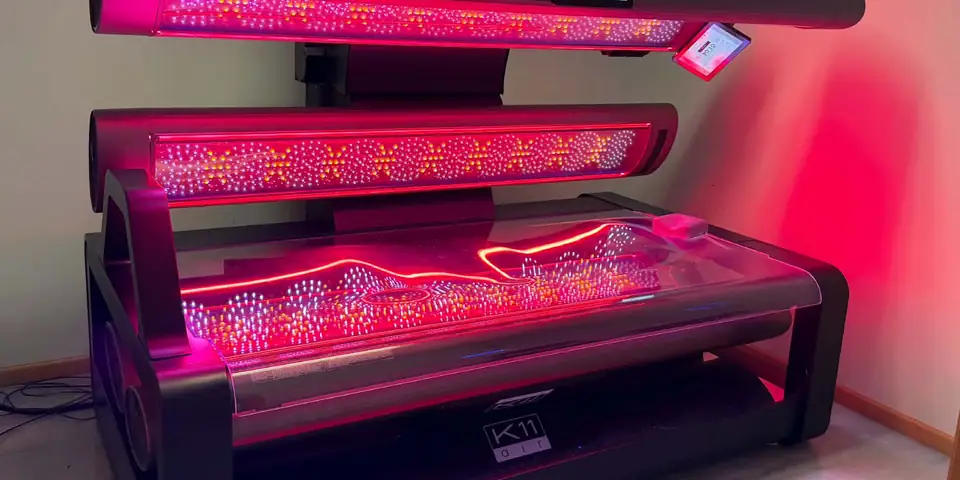
- Level 6: the KBL K11 Air at Portsmouth and Chillicothe. All LED light with red accent lighting and face and body air flow. Main character energy.
Not every salon has every level, so peek at your salon page first.
Building a base the smart way
Start low and slow. The FDA advises against using the maximum time on your first session and suggests building color gradually. Once you have the color you like, the FDA says many people keep it with about one session a week, and some skin types even less.
Burning is never part of the plan. If you get pink, skip until it is fully gone.
Eyewear is not optional
Closing your eyes does not cut it. UV can damage your eyes, and federal rules require tanning beds to come with protective goggles. Use the eyewear every single time, and make sure it fits snug and is not cracked.
Lotions and aftercare
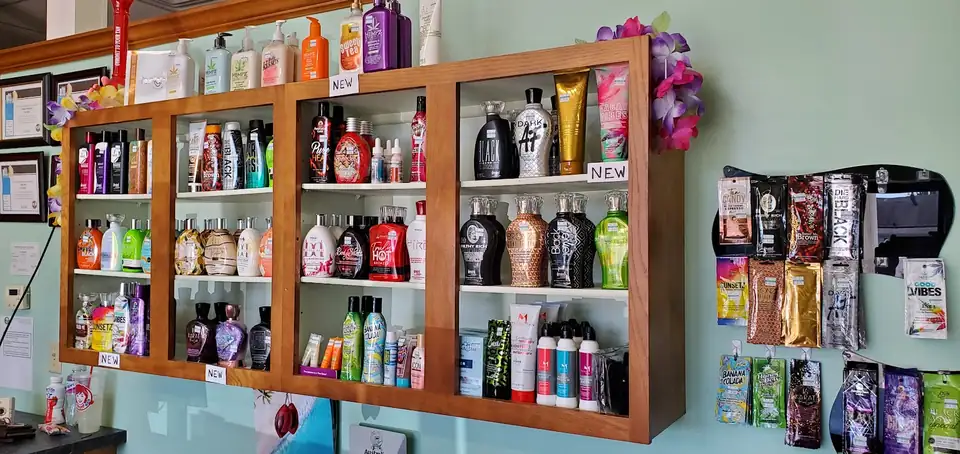
Indoor tanning lotions are made for beds and help keep skin moisturized. Outdoor oils and sunscreens are a different job; leave them for the beach. After your session, shower when your lotion says it is okay, moisturize daily, and drink water like it is your new hobby.
Pro tip: Ask the front desk which lotion matches your goals. We know our lotion wall by heart.
How 30-Day Passes and memberships save you money
If you glow more than a couple of times a month, a 30-Day Pass or club membership usually beats paying per visit. Pass and club holders also get lower Level 6 upgrade prices and spray tan savings. See every number on our pricing page.
Friendly reminder: this is general info, not medical advice. If you have a skin or health condition, are pregnant, or take meds that can make you sensitive to light (some antibiotics, acne meds and more), check with your doctor or pharmacist first.
FAQ
How long should my first tanning session be?
Short on purpose. Your consultant sets your time from your skin type and the bed’s exposure chart, and the FDA advises against using the maximum time on your first session.
Do I have to wear goggles?
Yes, every time. UV can injure your eyes, and closing your eyes is not enough protection.
What level should I start with?
Most people start at a lower level and move up as they build a base. Your consultant will help you pick.
How often can I tan?
Give your skin at least a full day between sessions. Once you have your color, the FDA notes many people maintain it with about one session a week.